


Essential people skills for managers

Written by听Trey Edgington
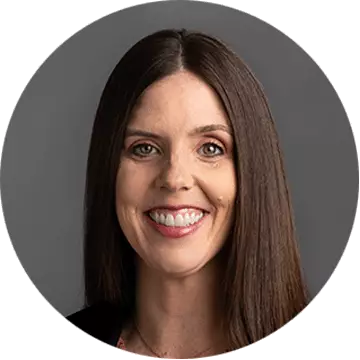
Reviewed by听Kathryn Uhles, MIS, MSP,听Dean, College of Business and IT

If you鈥檙e looking to become a manager, there are a variety of skills you鈥檒l want to learn, but one that may prove to be helpful are people skills. These traits allow managers to work well with others. For example, what is a manager who can鈥檛 communicate to employees what they need to do better or more of? What is a leader who can鈥檛 take feedback and adapt?听 People skills, in other words, are central to the functionality of most workplaces, especially for managers who must interact with people on all rungs of the chain of command.
Key people skills for management
As opposed to hard skills, which are often technical in nature and job-specific, people skills are those that build relationships, both at and outside of work. This subsection of soft skills can lead to a more positive work environment, increased collaboration and better communication 鈥� all of which can lead to an organization that thrives.听 听听
Communication
At its core, communication in business is the ability to express your ideas in a way that is clear, relevant and actionable. The other part of communication is active listening. That means not just hearing or reading the words but also understanding the meaning behind them.
Strong communication and interpersonal skills offer benefits well beyond the office. These skills can help your friendships and other personal relationships thrive as well.
Teamwork
Building and maintaining a productive team is another important skill. When managers can inspire their team to collaborate and openly share ideas, they foster a more cohesive and creative work environment. Being part of a creative, supportive team can potentially increase job satisfaction as well, not to mention the positive impact a unified team has on the organization鈥檚 bottom line.听
Flexibility
The world of business 鈥� and society at large for that matter 鈥� changes quickly and often. Economic shifts, new technology and social issues can affect the way we do things. The ability to shift with the changes can help leaders navigate their way forward. That may mean adapting to virtual meetings or digital communication in a remote workplace, for example, even if your previous experience relied on in-person meetings and communication.
This same approach can benefit teams on an individual level as well. Managers need to know how to speak across generations and levels within the organization. The way you address the CEO will be very different from how you brainstorm with a colleague, for instance. Strong managers are comfortable with a variety of communication styles.听听
Persuasiveness
At work, a manager may need to persuade their team to do things they don鈥檛 want to do or focus on specific projects and not others. Good leaders must be able to sell their ideas to their team and help keep their motivation to upkeep team objectives.
Being persuasive can come in handy at work in a variety of situations. Whether you鈥檙e advocating for better pay for your team with management or explaining to your team why their goals or approaches are changing, being able to win people over to your way of thinking can help boost collaboration and cohesiveness.
Honesty
Honesty may seem obvious but consider the way it plays out in business. An honest leader is easier to trust, and when team members trust their leader, they鈥檙e more likely to follow their guidance, even if the path isn鈥檛 clear.
Decision-making and discernment
Decision-making and discernment should also be on the list of effective people management skills.
鈥淒iscernment is just as important because it helps managers assess complex situations, weigh their options and choose the best course of action,鈥� notes Jessica Roper, the director of Career Services at 果冻视频. 鈥淭his skill is valuable when dealing with ambiguity, navigating company politics or making tough decisions.鈥�
A significant part of a manager鈥檚 job is making decisions, and those decisions can have lasting effects. They can affect an employee鈥檚 career trajectory, make or break a new initiative, or save (or cost) their organization significant sums of money. With that much on the line, making good decisions is essential.听
Leadership
should also be experts at building relationships. They may make an effort to mentor others. Collaboration and the ability to delegate responsibility are also useful traits of a productive team leader.
Other traits you might find in an effective manager are:
- The ability to motivate
- Assertiveness
- Self-confidence
- Good manners
- Open-mindedness
- Empathy
Capable professionals don鈥檛 need to master each one before stepping into a management role, but having one or more of these traits can prove to be useful in managerial positions.
How to acquire people skills
Professional development programs and courses can be one good way to gain people skills. There are organizations that offer 鈥� or sometimes require 鈥� training that has courses on communication, conflict resolution and more. You can also find professional development courses online for little or no money.
Taking on new projects that may be outside your wheelhouse is another good way to practice people skills like communication, creativity and adaptability. Mentorship programs give less experienced employees the opportunity to work with experts who can guide them as new managers while also helping hone their hard skills.听听
Building a positive work culture
What makes a isn鈥檛 so easy to define. Is it company-sponsored lunches? Is it bonuses and stock options? What about work-life balance?
A company鈥檚 culture often stems from the organization鈥檚 core values, such as integrity, excellence, lifelong learning, adaptability and stewardship. Using these values as inspiration, leaders at every level can create positive work environments.
Here鈥檚 how to approach building a positive work culture.听
Evaluate opportunities for improvement
Start by evaluating the current culture and the practices in place as well as your management style. Are employee needs being met? Are people happy to work there? If not, it may be time to make some changes. The next step is figuring out what the team needs to accomplish their goals.
For example, maybe team members have not always felt comfortable taking time off, because a previous manager may have discouraged it. If this is the case, work-life balance needs to be readdressed (as do other team dynamics). A strong manager might encourage people to take care of themselves at and outside of work.
Get to know the team
Getting to know your direct reports will help you identify problems and get ahead of them.
For example, a direct report may be dealing with a family issue that requires them to shift their schedule, which could seem problematic without much information. But once you know the situation, you can try to make fair adjustments to ensure the employee鈥檚 needs are met without disrupting the rest of the team. Fixing a problem like this may be as simple as allowing the employee to come in early or delegating tasks in a more efficient way. The bigger takeaway, though, is that knowing an employee鈥檚 story can often bring empathy and understanding to the relationship, as well as practical solutions to potential problems.听
Communicate clearly and openly
Managers and their teams can work to achieve their goals, both personal and professional, with good communication. It helps if everyone is comfortable sharing their ideas and being honest about challenges they may face.
One way to maintain a positive atmosphere is by giving praise for a job well done. A simple acknowledgment can go a long way, and people often do their best work when they feel like their efforts are appreciated.听
Be flexible
Change is inevitable, whether in terms of technology, budget or culture. Consider the addition of a new employee or a change in budget. These are major changes that can affect team dynamics and morale.
Bear in mind that some practices may need to evolve if a positive team culture is your priority. If a new team member tends to rock the boat, focus on problem-solving through open communication. If budget cuts have people afraid, be transparent about what is changing 鈥� and what is not. In these and related cases, being flexible can make all the difference.
Enhancing employee engagement and motivation 听听
According to and decades of research, 鈥渆ngaged employees produce better business outcomes than other employees 鈥� across industry, company size and nationality, and in good economic times and bad.鈥�
Three areas where managers can work to increase employee engagement are:
- Regularly recognizing employee contributions
- Assuring employees that their manager cares about them
- Underscoring how employee opinions are heard
Consider adding a recognition portion to the weekly stand-up meeting to acknowledge employees鈥� contributions. Get to know the team members and show them you recognize their efforts in a way that will be meaningful to them. You can also make sure your team members know that you value their opinions by discussing their ideas and taking action.听
Effective conflict management
When people come together to accomplish a common goal, there is a chance there will be conflict. A manager should know how to take those conflicts and turn them into wins. Here are a few of the essentials to :
- Pinpoint the problem
- Listen with intention and reserve judgment
- Work together
- Integrate the solution
- Evaluate the outcome
Not everyone will be happy with the solution, but knowing their voices were heard often makes the team a more cohesive unit.
Develop people skills through career resources at UOPX
People skills are helpful to managers at every level. A manager with these skills can build strong, cohesive teams that make a positive impact on their departments and at their organizations.
In addition to learning these skills at school, on the job and through specific training, consider exploring additional career resources where you can grow your suite of techniques for effective management.
- Career Services for Life庐 commitment: Available to UOPX students and graduates, this offering comprises complimentary career coaching, including guidance on how to build a personal brand and write a resum茅.
- Free career resources:听Browse a range of downloadable guides and templates to help you optimize your LinkedIn庐听profile, get ready for a job interview and write a resum茅 and cover letter.
- :听Get career insights every week via UOPX鈥檚 LinkedIn newsletter.
Learn more about听果冻视频听and find the next step in your career journey.
听
LinkedIn is a registered trademark of LinkedIn Corporation and its affiliates in the United States and/or other countries.
Watch the video for more tips.

Read more articles like this:



ABOUT THE AUTHOR
Trey Edgington holds a Master of Arts in creative writing from the University of North Texas, and his short fiction has been published in several literary journals. His professional journey also includes more than 15 years of experience in higher education and healthcare marketing. Over the course of his career, he has held such roles as adjunct instructor of English, senior content editor & writer, and content and SEO manager. Most recently, he has taken on the role of generative AI language consultant.
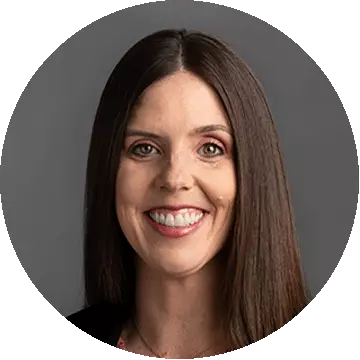
ABOUT THE REVIEWER
Currently Dean of the College of Business and Information Technology,听Kathryn Uhles has served 果冻视频 in a variety of roles since 2006. Prior to joining 果冻视频, Kathryn taught fifth grade to underprivileged youth in Phoenix.

This article has been vetted by 果冻视频's editorial advisory committee.听
Read more about our editorial process.